
Get a Free Chapter
What does yoga philosophy have to say about the really big questions?
What is consciousness? Do we have free will? How do we find meaning and purpose? Is there a place for both faith and knowledge? What is the nature of reality?
Download a free chapter of In Search of the Highest Truth and start exploring.
Yoga Is More Than a Physical Practice
We learn the poses. We learn to breathe. Maybe we begin to meditate. And somewhere along the way, we start hearing words like dharma, karma, gunas, Yoga Sutras, and Bhagavad Gita.
And we begin to realize there's a much bigger system of thought behind the practice we've been doing.
Yoga philosophy isn't simply a collection of inspirational ideas to think about after class.
It's a way of understanding the self, consciousness, action, knowledge, suffering, freedom, and ultimate reality—and a framework for deciding how to live in light of that understanding.
And they address some of the biggest questions human beings can ask:
Who am I?
Why am I here?
Do I have free will, or is my life shaped by forces beyond my control?
What makes an action right or wrong?
What can I actually know?
And what does yoga ultimately mean by liberation?
These aren't just questions to study. They're questions that can change the way we understand ourselves, the choices we make, and the way we live.
In Search of the Highest Truth is an invitation to take them seriously—and discover how the yoga wisdom tradition answers them.
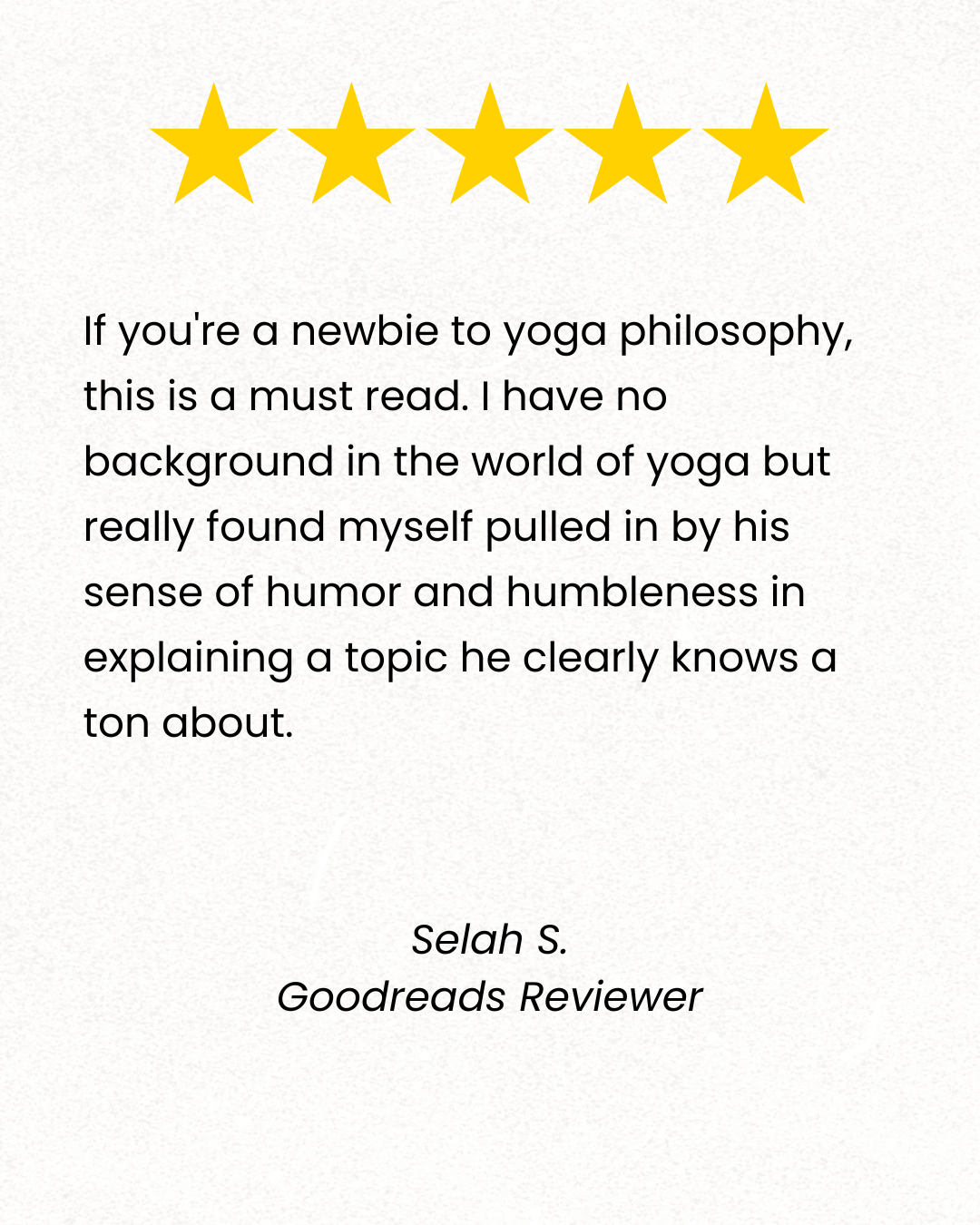
A Different Way to Approach Yoga Philosophy
Yoga philosophy is often presented in one of two ways.
Traditional yoga teachings may be translated into contemporary ideas and values that already feel familiar to us. Or they may be studied from an academic distance—as historically important ideas to analyze without necessarily considering whether their claims about consciousness, reality, and the self might actually be true.
I take a different approach.
Rather than starting with modern assumptions and asking how yoga philosophy fits into them, In Search of the Highest Truth invites you to temporarily reverse the lens:
What happens when we try to understand the modern world through the lens of the yoga wisdom tradition?
That doesn't mean leaving your critical thinking at the door. Quite the opposite.
Before deciding whether an idea is true, useful, outdated, metaphorical, or something else entirely, we first need to understand what the tradition is actually saying.
That's where the interesting conversation begins.
A Book Built Around the Questions Students Actually Ask
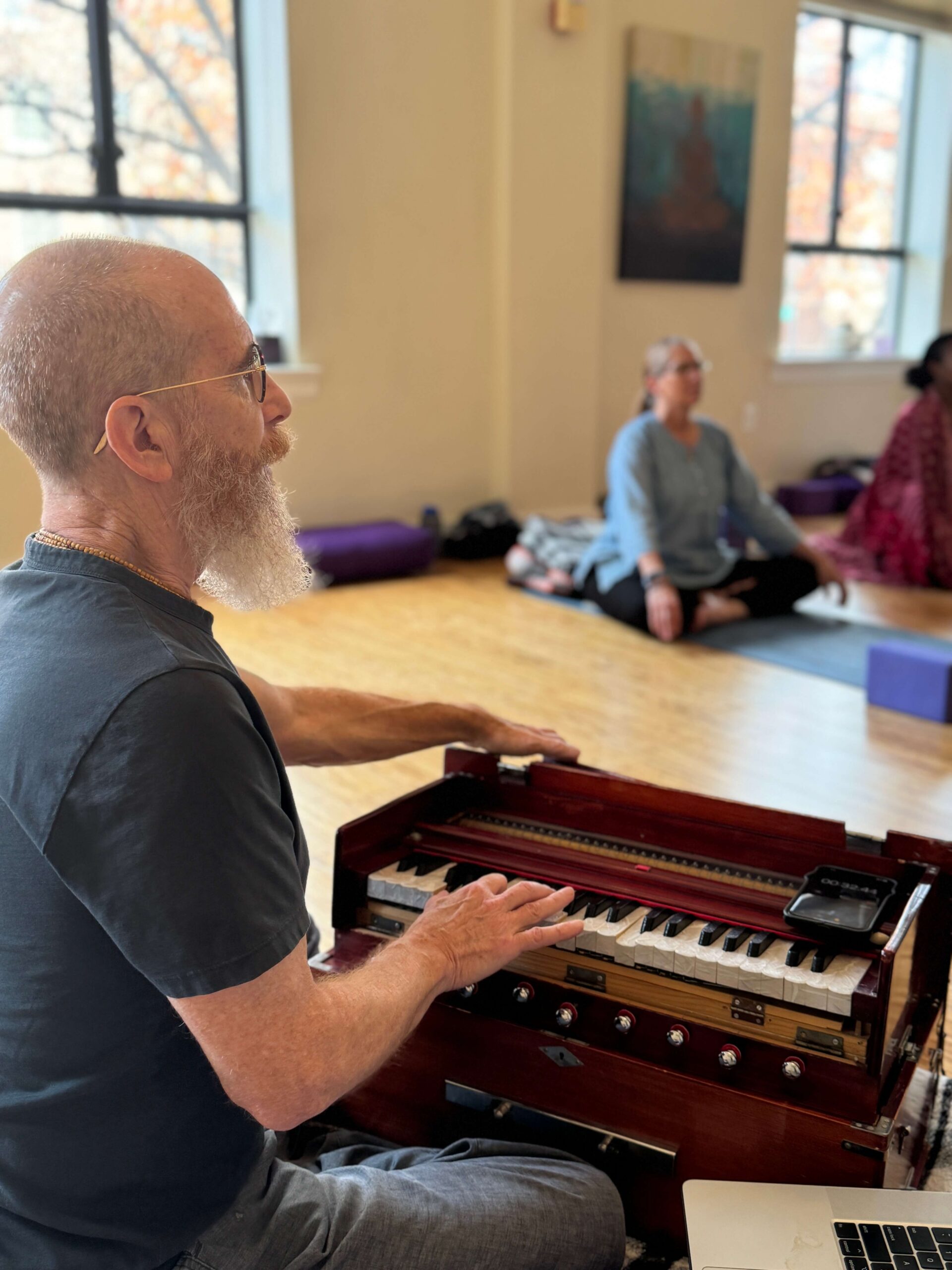
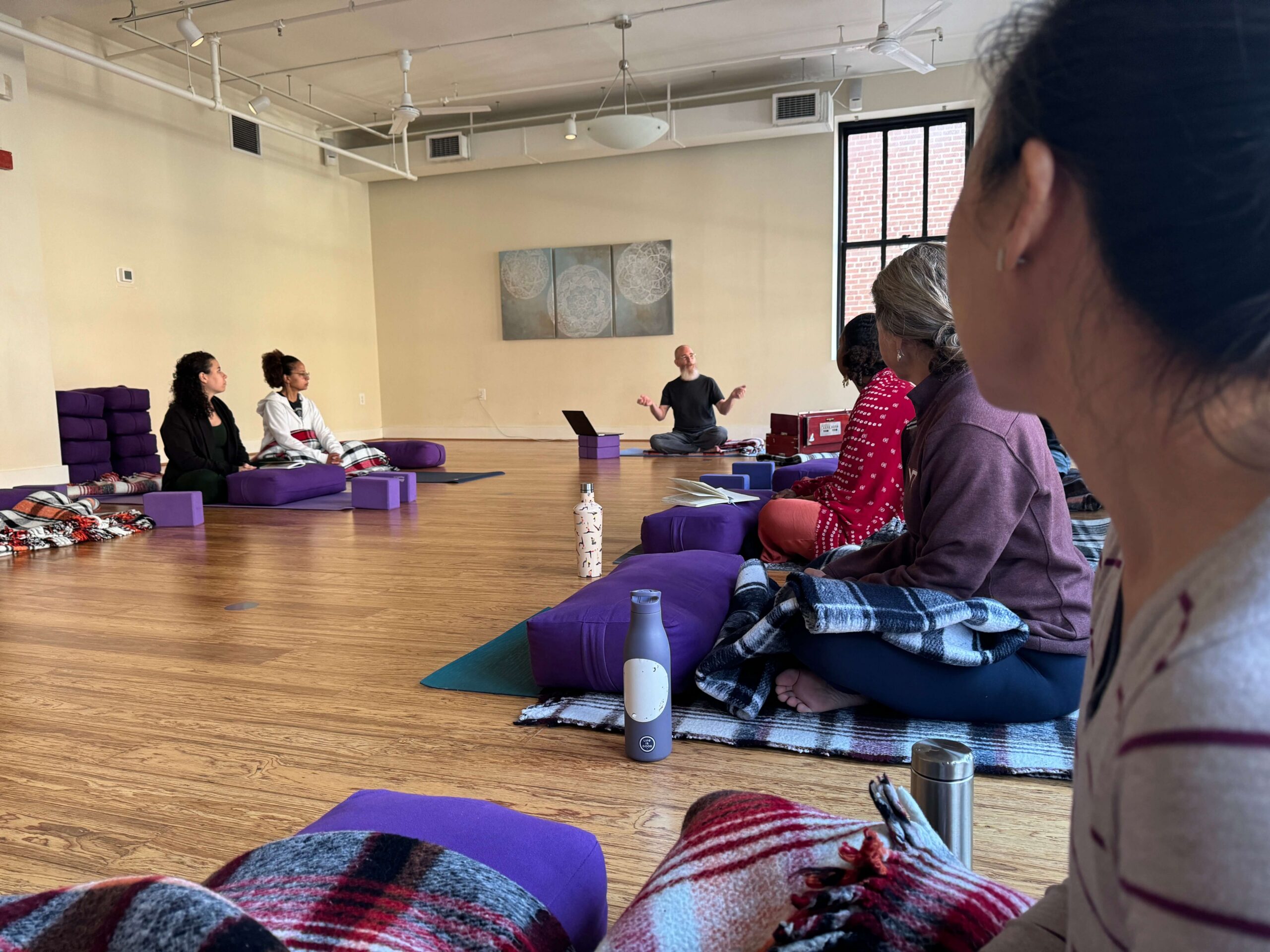
In Search of the Highest Truth grew out of actual conversations I had with students in yoga philosophy workshops and teacher trainings.
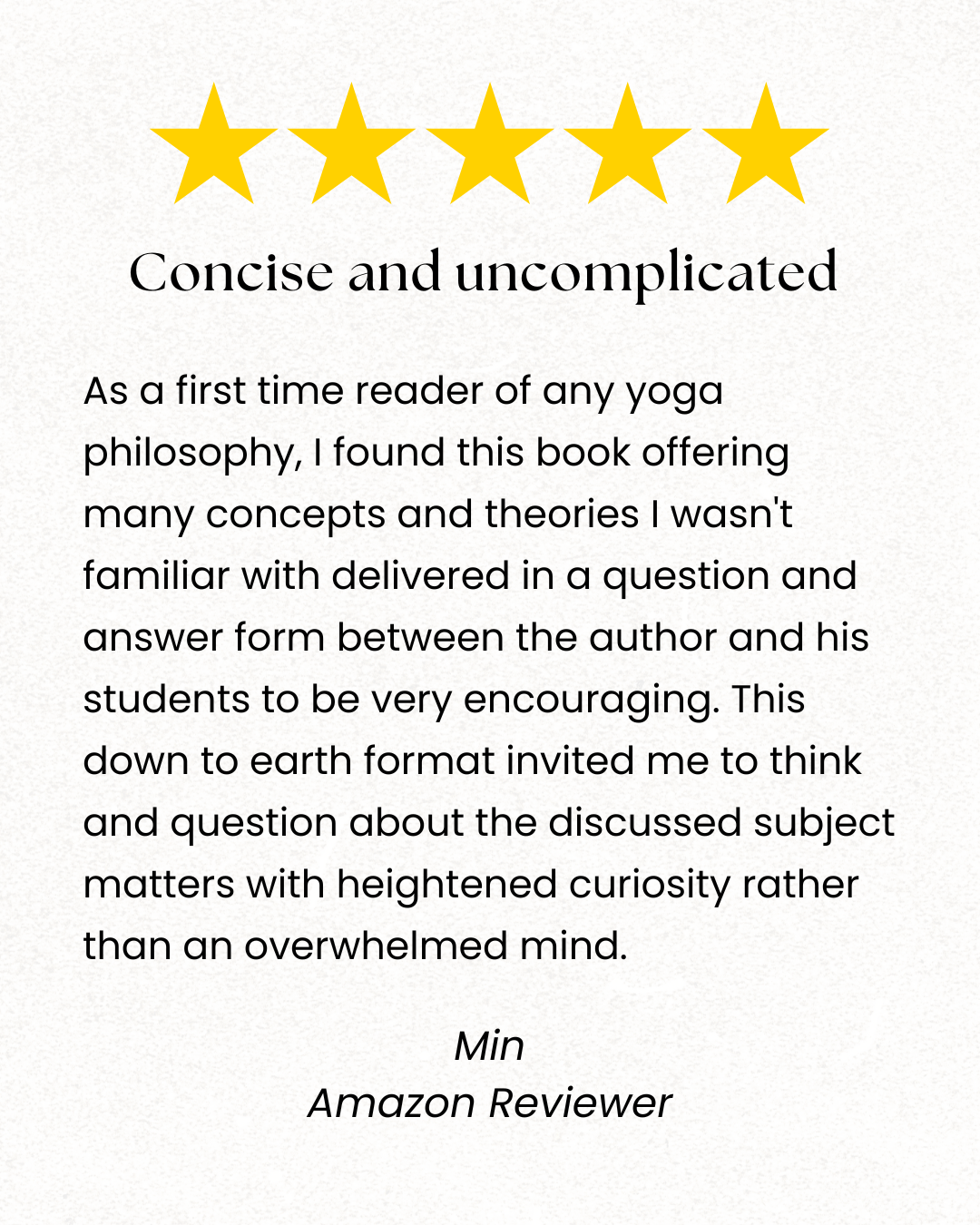
Rather than presenting philosophy as a series of abstract propositions, much of the book unfolds through dialogue.
Students question me. They push back. They ask for clarification. They raise the same questions you may be asking yourself.
The result is a book that lets you engage with sophisticated philosophical ideas by following the questions, challenges, and exchanges that arise when people are genuinely trying to understand them.
What you'll find inside
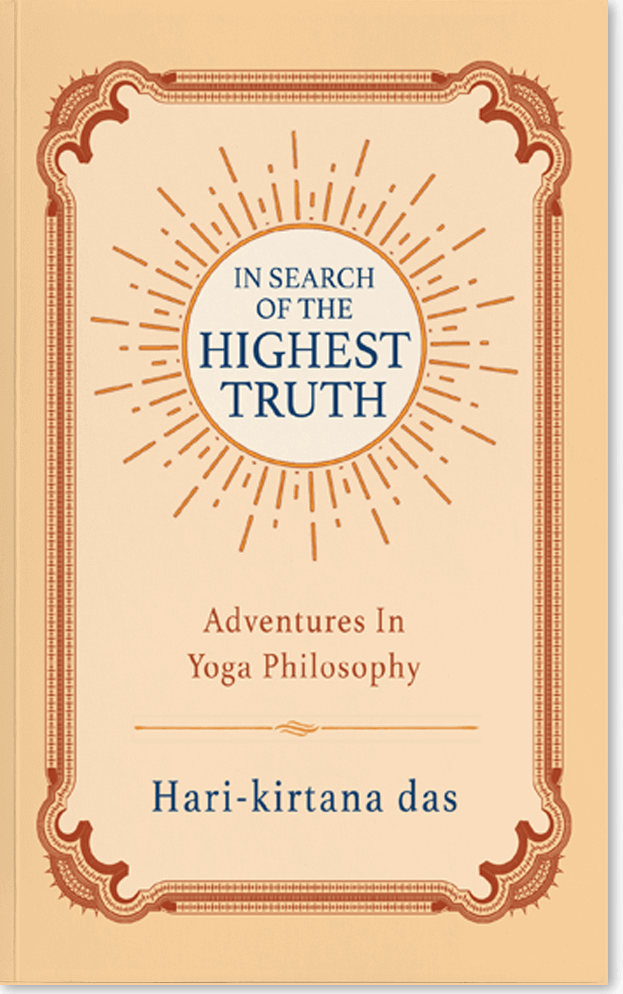
In Search of the Highest Truth
The book explores some of the central questions and ideas of yoga philosophy, including:
- The history and functions of yoga philosophy
- The relationship between yoga, the Vedas, Hinduism, and religion
- Faith, knowledge, and different ways of knowing
- Yoga ethics and how we determine right action
- Karma, destiny, free will, and cause and effect
- Teachers, gurus, and the role of spiritual authority
- Duality, non-duality, and different ways of understanding reality
- Strategies for reading traditional yoga wisdom texts
- How to develop spiritual vision and apply yoga philosophy to life in the modern world
Together, these explorations give you a broader framework for understanding yoga as a philosophy, a practice, and a way of seeing the world.
But understanding yoga philosophy is only part of the point. Throughout In Search of the Highest Truth, I connect these ideas to questions about relationships, responsibility, decision-making, spiritual practice, and life in the modern world—so you can consider not only what yoga philosophy says, but what its ideas might mean for the way you live.
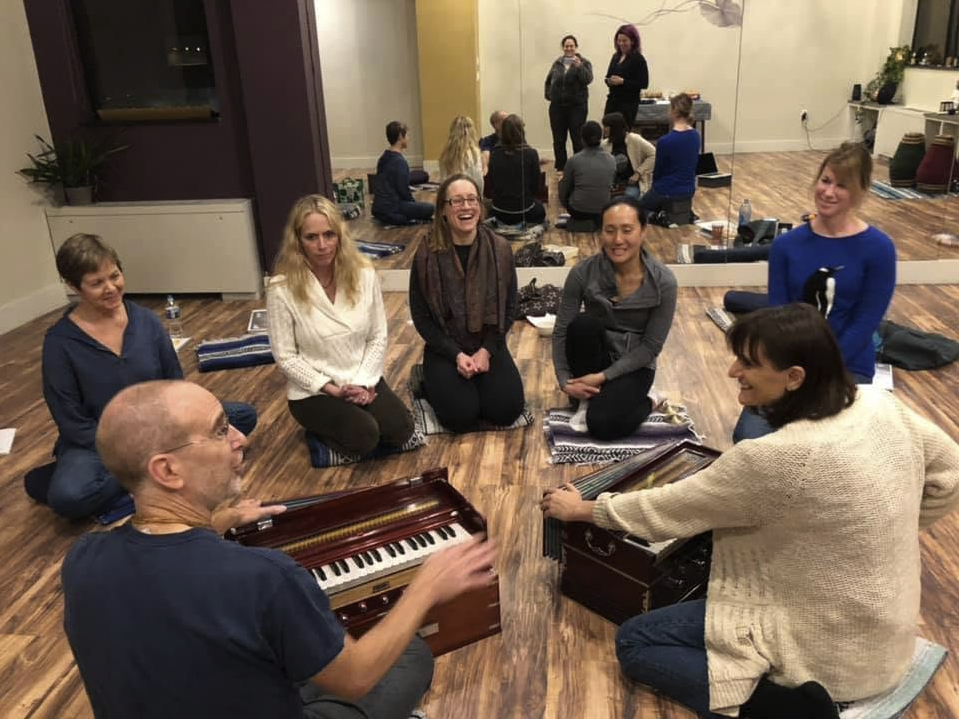
Meet Hari-kirtana das
I've spent more than 40 years studying, practicing, and teaching within the yoga wisdom tradition.
I'm an 800-hour certified Jivamukti Yoga teacher and the author of two books on yoga philosophy. I've led 300-hour Yoga Teacher Trainings, served as guest faculty for more YTT programs than I can count, and taught yoga philosophy to students with widely different levels of experience.
Over the years, I kept running into the same problem: I couldn't find a book that gave students a clear, accessible introduction to yoga philosophy while still preserving the depth and substance of the tradition.
So I wrote the book I wished I could give them.
But my interest in yoga philosophy isn't merely academic.
I've spent decades trying to understand what these teachings mean when we actually attempt to live by them.
That's the perspective I bring to In Search of the Highest Truth: respect for the tradition, a commitment to critical thinking, and a desire to make profound ideas understandable without making them simplistic.
A Yoga Philosophy Book for Teachers, Practitioners, and Curious Beginners
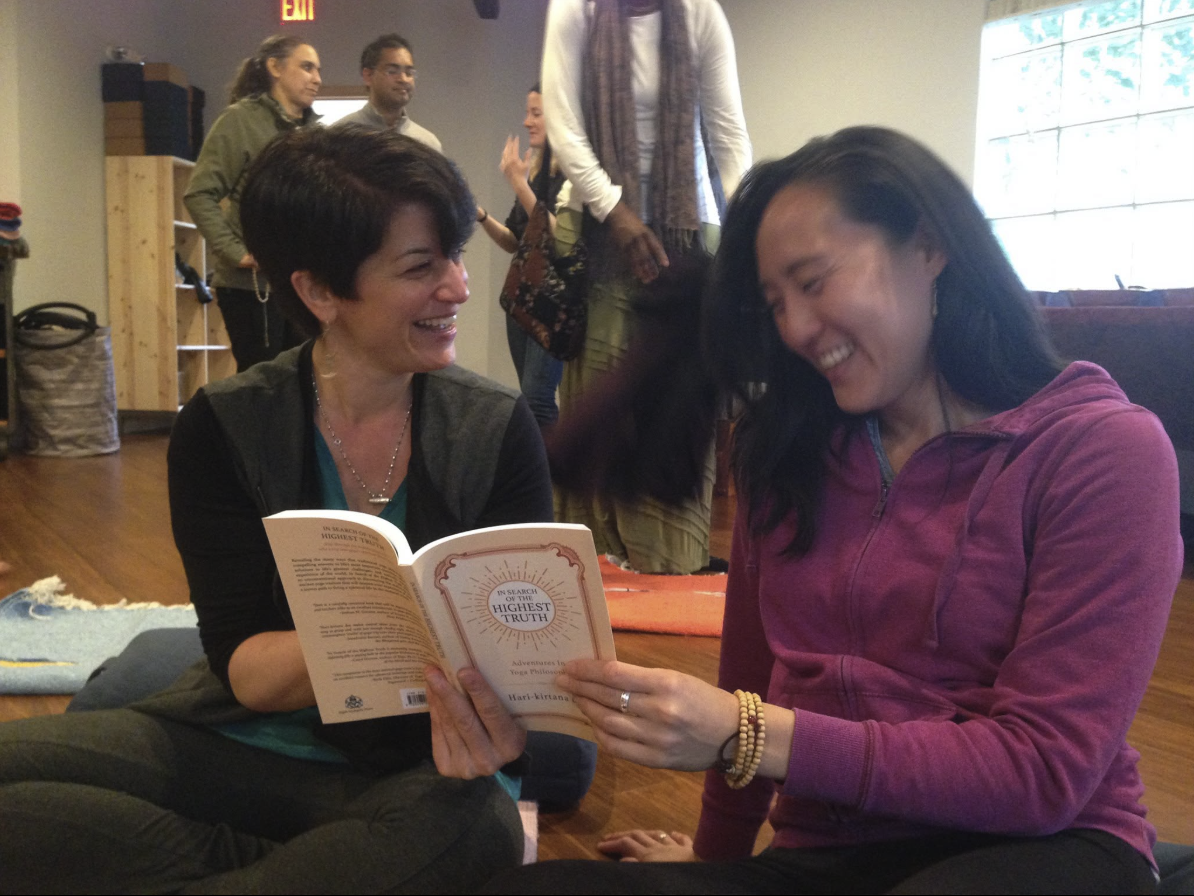
In Search of the Highest Truth was written for people who want to go deeper into yoga philosophy—and understand why its ideas matter beyond the yoga mat.
It may be especially useful if you:
- Teach yoga and want a stronger foundation in yoga philosophy
- Are in a Yoga Teacher Training and looking for an accessible introduction
- Practice yoga and are curious about the tradition beyond asana
- Want to better understand traditional wisdom texts like the Bhagavad Gita and the Yoga Sutras
- Find yourself asking questions about consciousness, ethics, free will, and the nature of reality
- Are new to yoga philosophy and wondering where to begin
You don't need a background in philosophy, Sanskrit, or Indian religion. You just need to be interested in exploring big questions and willing to consider some unfamiliar answers.
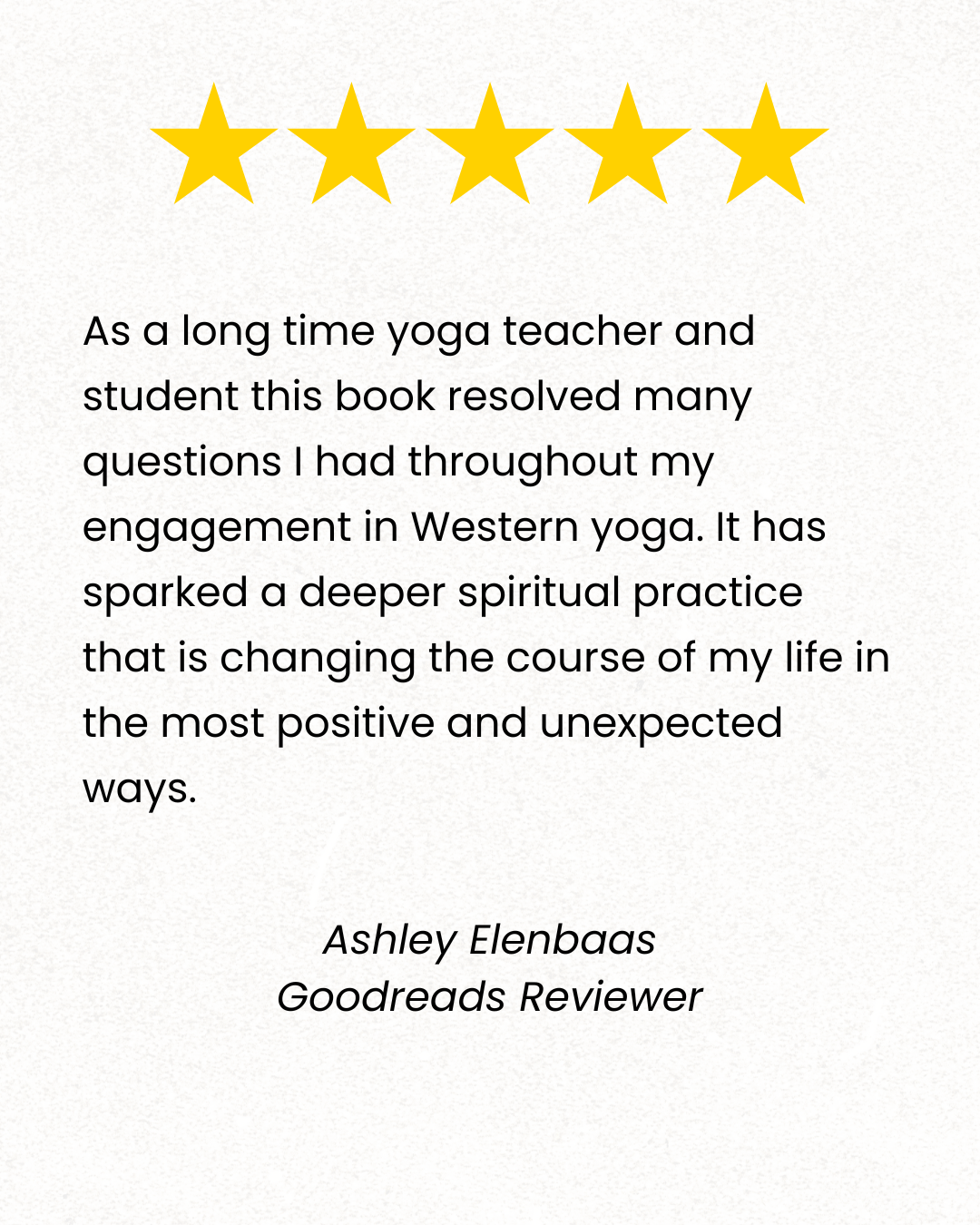
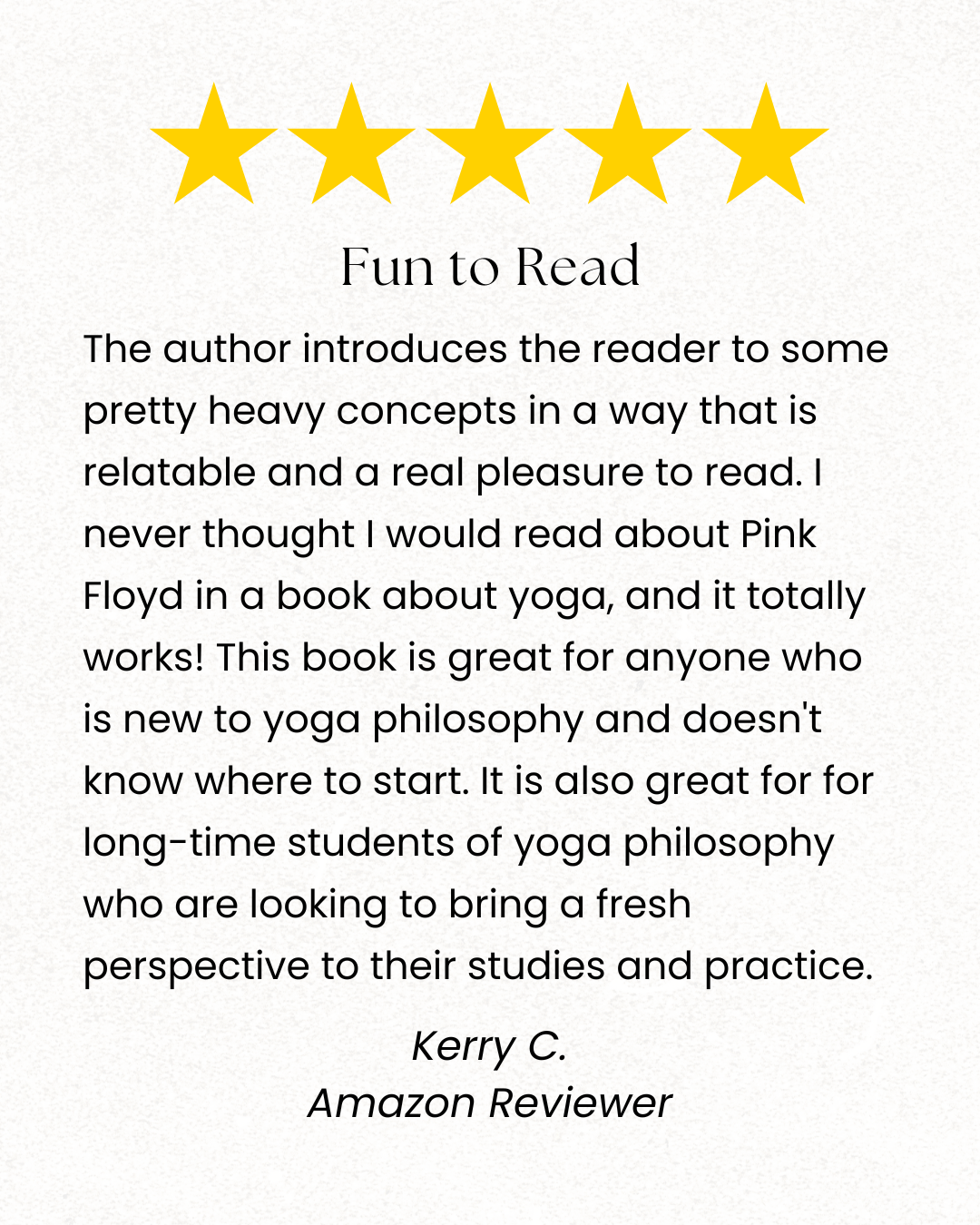
Frequently Asked Questions About Yoga Philosophy
Get a Free Chapter
What does yoga philosophy have to say about the really big questions?
What is consciousness? Do we have free will? How do we find meaning and purpose? Is there a place for both faith and knowledge? What is the nature of reality?
Download a free chapter of In Search of the Highest Truth and start exploring.